As families grow and lifestyles change, many homeowners find themselves needing more living space. Instead of going through the expense and stress of moving, adding onto your existing home can be a practical and rewarding solution. A well-designed Georgetown home addition allows you to customize your property to meet your current and future needs while increasing its overall value. Whether you are planning an additional bedroom, a spacious family room, a home office, a guest suite, or even a second-story expansion, thoughtful planning is the key to a successful project. Before construction begins, homeowners should understand the most important factors that influence the outcome of a home addition to ensure the investment delivers long-term comfort, functionality, and value.
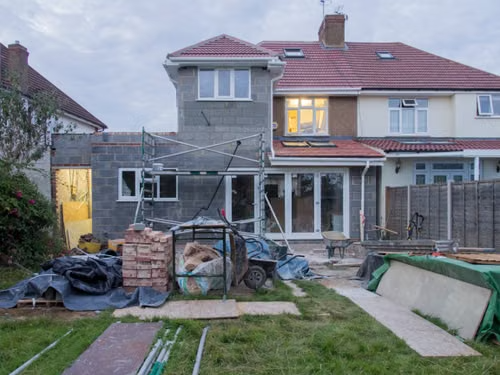
Define Your Goals Before Starting the Home Addition Project
Every successful home addition begins with a clear purpose. Homeowners should carefully evaluate why additional space is needed and how the new area will be used for years to come. Some families require extra bedrooms for growing children, while others may want a larger kitchen, a dedicated home office, or an entertainment space for hosting guests. Thinking beyond immediate needs is equally important. If you plan to remain in your home for many years, consider how your family’s lifestyle may evolve. A flexible design that can adapt to changing needs helps maximize your investment. Establishing clear goals from the beginning also allows contractors and designers to create solutions that align with your expectations and budget.
Choose the Right Type of Home Addition for Your Property
Not every home addition is the same, and selecting the right type depends on your property’s layout, available space, and long-term objectives. Ground-level room additions are ideal for expanding living rooms, kitchens, or primary suites, while second-story additions provide significant extra space without reducing yard area. Garage conversions, sunrooms, in-law suites, and bonus rooms have also become popular options among Georgetown homeowners. Each type of addition comes with unique structural, architectural, and financial considerations. Consulting with an experienced contractor helps determine which solution best complements your home’s design while meeting your family’s practical needs.
Plan a Realistic Budget That Includes More Than Construction Costs
Budget planning involves much more than estimating construction expenses. A complete home addition budget should account for architectural design, engineering, permits, demolition, site preparation, utility modifications, interior finishes, landscaping adjustments, and contingency funds for unexpected situations. Many homeowners underestimate these additional costs, leading to financial stress later in the project. Working with a qualified contractor who provides a detailed written estimate allows you to understand where your investment is being allocated. Planning for unforeseen expenses also helps avoid delays if adjustments become necessary during construction.
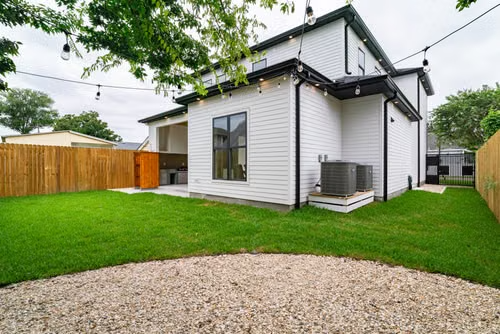
Hire an Experienced Contractor for Georgetown Home Additions
One of the most important decisions in any Georgetown home additions project is selecting the right contractor. Home additions require specialized expertise because they involve integrating new construction with an existing structure. Unlike building a new home, additions demand careful attention to structural integrity, foundation connections, roofing systems, electrical wiring, plumbing, HVAC integration, and architectural consistency. Experienced contractors understand how to blend new spaces seamlessly with the original home while minimizing disruptions during construction. Before hiring a contractor, review previous projects, verify licensing and insurance, request references, and ensure they have experience completing additions similar to your planned renovation.
Design the New Space to Blend Naturally with Your Existing Home
A successful home addition should look and feel as though it has always been part of the original house. Matching rooflines, exterior siding, brickwork, windows, trim, flooring, ceiling heights, and interior finishes creates a cohesive appearance that enhances both aesthetics and property value. Poorly integrated additions often stand out visually and may negatively affect resale appeal. Experienced designers carefully consider architectural details to ensure the transition between existing and new spaces feels seamless. This thoughtful approach results in a home that functions as a unified living environment rather than appearing as two separate structures joined together.
Prioritize Functionality Alongside Beautiful Design
While visual appeal is important, functionality should remain the primary focus during the planning process. Every square foot added to your home should serve a meaningful purpose and improve daily living. Consider furniture placement, natural lighting, storage solutions, electrical outlet locations, traffic flow, and accessibility throughout the new space. Open layouts often provide greater flexibility and create stronger connections between rooms. Incorporating built-in storage, larger windows, energy-efficient insulation, and modern lighting can significantly improve comfort and usability. A practical design ensures your home addition continues to meet your family’s needs long after construction is complete.
Understand Local Building Codes and Permit Requirements
Every residential construction project must comply with local building regulations designed to ensure structural safety and community standards. Home additions often require multiple permits, inspections, and approvals before work can begin. Contractors familiar with Georgetown building requirements understand zoning restrictions, setback regulations, structural codes, and inspection procedures. Their knowledge helps prevent unnecessary delays while ensuring every phase of construction meets current standards. Attempting to bypass permit requirements may create legal issues and complicate future property sales, making compliance an essential part of responsible home improvement.
A Georgetown Home Addition Is an Investment in Comfort and Lasting Value
A thoughtfully planned Georgetown home addition offers far more than additional square footage. It creates opportunities to improve your lifestyle, accommodate changing family needs, increase property value, and enjoy a home that better reflects the way you live today. From careful planning and realistic budgeting to selecting experienced contractors and high-quality materials, every decision contributes to the success of the project. By focusing on functional design, seamless architectural integration, energy efficiency, and professional craftsmanship, homeowners can create beautiful living spaces that remain comfortable, practical, and valuable for many years. Investing in a well-executed home addition is ultimately an investment in both your family’s future and the long-term potential of your Georgetown home.